

Texas Fall Training can be a useful reset for Texas Mustard Seeds families because fall is often less about chasing trophies and more about building better habits. Since no verified Texas Mustard Seeds schedule, age group breakdown, venue plan, or workout format was provided in the research notes, this guidance stays focused on what parents can control: support, communication, recovery, school balance, and the way a young player processes success and failure.
Fall baseball can feel different from spring and summer. Players may be changing teams, adjusting to a new coach, trying a new position, or working through mechanical changes that do not produce quick results. A parent’s steady presence matters, but steady does not mean constant correction. The best help often comes from creating a home environment where the player can train, recover, talk honestly, and still feel like a kid.
Texas Fall Training Goals That Fit Development
Texas Fall Training Parent Role
The parent role during Texas Fall Training should start with the long view. A fall workout may not show progress in the box score right away. A hitter working on timing may swing through pitches he handled in July. A pitcher trying to improve direction to the plate may miss arm-side for two weeks. A catcher building quieter receiving may look less active before he looks better. Those stretches can frustrate players, especially if they believe every practice rep is being judged by a parent in the stands.
A 2024 systematic review covering 29 studies and 9,185 young athletes found that positive goals and values, autonomy-supportive parenting, and moderate parent involvement were linked with better motivation, while pressure and controlling behavior can work against enjoyment and healthy participation youth athlete motivation review. For baseball families, that points to a simple standard: help your child care about progress without making every car ride feel like an evaluation meeting.
Skill Goals Before Scoreboard Goals
For Texas Mustard Seeds fall work, parents can ask coaches what development markers matter most. That may include cleaner footwork, better throwing intent, more consistent strike-zone decisions, improved pre-pitch routine, or stronger practice energy. If the coach has not shared formal goals, parents can still help their player set two or three personal targets that do not depend on another player, an umpire, or a tournament result.
- For hitters: track quality takes, hard contact, and routine preparation more than batting average.
- For pitchers: track strike quality, tempo, recovery habits, and response after a miss.
- For defenders: track first-step readiness, communication, throwing decisions, and focus between pitches.
- For all players: track effort, coachability, sleep, hydration, and school responsibilities.
This approach helps a player see growth in smaller pieces. It also gives parents better language. Instead of saying, “You have to hit more,” a parent can say, “I noticed you stayed with your plan better today.” That sentence supports the work without taking over the work.
Parent Behavior That Protects Motivation
Ask Before You Coach
Many baseball parents know the game well. Some played, coached, or have spent years around tournaments. Even then, the timing of advice matters. A child who just struggled through a workout may not be ready for a swing breakdown in the parking lot. A good first question is, “Do you want feedback, or do you just want to get food and reset?”
That question gives the player some ownership. If he asks for feedback, keep it short and stick to one point. If he says no, respect it. Players often open up later at dinner, while packing gear, or the next morning. The goal is not to avoid hard conversations. The goal is to place those conversations where the player can hear them.
Keep The Coach Relationship Clean
Parents should not have to guess about expectations, but they also should avoid turning every lineup decision, bullpen plan, or defensive rep into a sideline debate. If a concern is serious, ask for a calm conversation away from the field. Keep the topic specific: workload, safety, role clarity, communication, or development priorities. Avoid comparing your child to another player.
The Play Well Triple P pilot program studied 101 parents and used an online module plus text prompts. The report found decreased controlling and intrusive behavior and increased positive support among participating parents positive parent involvement study. Baseball families can take a practical lesson from that: positive involvement is a skill, not just a personality trait. Parents can practice pausing, asking better questions, and letting the coach coach.
For a broader season view, families may find it helpful to read about baseball parent support in competitive settings, especially during long stretches of practices, games, schoolwork, and travel.
Logistics, Recovery, And The Texas Routine
Build A Weekly Family Plan
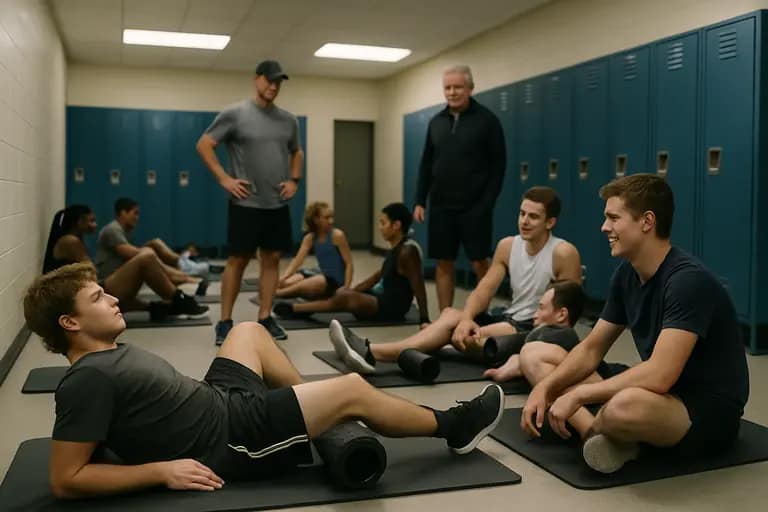
Texas Fall Training can put pressure on the family calendar because school, homework, strength work, lessons, team practices, and weekend baseball can stack up fast. Parents can lower stress by building the week before it starts. Review practice times, drive times, meals, uniforms, school deadlines, and recovery windows. If siblings have events too, write the plan where everyone can see it.
A useful routine is to pack the baseball bag the night before, prep a simple post-practice meal, and set a homework window that does not depend on getting home early. Fall training should not teach a player that baseball always gets the first claim on his energy. It should teach him how to manage commitments with maturity.
Protect Rest Without Treating It As Weakness
Rest is not a lack of toughness. It is part of development. Parents do not need to diagnose injuries or make medical calls beyond their role, but they should pay attention to patterns: arm soreness that lingers, sleep loss, constant irritability, falling grades, or a player who no longer enjoys going to the field. Those signs deserve a calm conversation with the player and, when needed, the coach or a qualified health professional.
Food and hydration also work best when they are ordinary habits, not last-minute fixes. Keep water available on school days, plan meals around practice windows, and avoid making nutrition feel like punishment. A young player who learns to fuel before training and recover after training is building a skill that carries into high school baseball and beyond.
What Texas Fall Training Should Mean At Home
Texas Fall Training should give families a chance to support growth without adding extra pressure. That starts with the ride home. The first words after a workout carry weight. “I loved watching you compete,” or “You looked locked in during defense,” often lands better than immediate instruction. If the player had a rough day, a simple “I’m proud of how you kept working” can keep the door open.
Parents can also help children separate identity from performance. A player is not his last at-bat, last bullpen, or last error. He is a young person learning a hard game. Baseball failure is frequent, public, and sometimes unfair. A supportive home gives the player room to feel disappointment without being defined by it.
For Texas Mustard Seeds families, the fall can be a strong development window if parents keep the focus clear: trust the practice plan, support coach communication, protect school and rest, and let the player own more of the process over time. The training field matters, but the home response matters too. A calm parent cannot guarantee baseball success, but it can give a young athlete a better chance to stay motivated, confident, and ready to keep learning.