

Lufkin Player Development moved into a new phase after Lufkin ISD announced Glen Kimble as Lufkin High School head baseball coach on July 16–17, 2026. Kimble returned to his alma mater with a long coaching record, and KLTV reported the hire along with his 509–284–4 career mark, 13 district championships and 13 District Coach of the Year awards in KLTV’s report.
The hire mattered beyond the varsity dugout. For youth baseball families in Angelina County and across East Texas, a head coach with a known history of postseason competition can shape how players train before they reach varsity innings. That includes throwing routines, defensive standards, strength work, academic accountability and the daily language coaches use with developing athletes.
Why Lufkin Player Development Changed In July 2026
Lufkin Player Development Starts With A Familiar Coach
Kimble’s return to Lufkin High gave the baseball program a leader who knows the school community from personal experience. The public record provided for this story confirms the head baseball coach hire, but it does not identify every baseball assistant or support staff member connected to the 2026–2027 program. That distinction matters because families deserve verified information, not a guessed staff chart.
What is clear is the profile of the head coach. Kimble arrived with a career record that reflects long-term competitiveness, and his Hudson High School tenure included several deep playoff runs, according to the same KLTV report. A record does not guarantee future wins at Lufkin, but it does show that his teams have spent many seasons working under postseason pressure.
A Hire With A Long Track Record
For baseball families, Lufkin Player Development now has a clear baseball face at the top of the program. That does not mean every freshman becomes a varsity starter, and it does not mean every player is placed on a college recruiting path. It means the program can build from a coach whose past work included district title seasons, playoff preparation and repeated coach-of-the-year recognition.
That distinction is useful for younger players. Player growth in high school baseball is rarely built on one showcase weekend. It is built through repeated practice habits: clean catch play, first-step defense, strike-zone judgment, pitcher fielding practice, base running decisions and weight-room consistency. A coach with a long record can set those expectations early enough for freshmen and junior varsity players to understand them before varsity pressure arrives.
Glen Kimble’s Baseball Blueprint
Fundamentals Before Showcase Noise
East Texas baseball families hear plenty about showcases, select teams and recruiting exposure. Those pieces have value when a player is ready, but Lufkin High still has to win development time between the foul lines. Kimble’s background points toward a program where routine work should matter: receiving throws correctly, backing up bases, commanding the strike zone and making routine defensive plays under pace.
For scouts, the value of a high school program often comes from seeing how a player handles structure. A player who repeats effort during pregame, responds to coaching, controls the running game or competes after an error gives evaluators more than a box-score line. Lufkin does not need inflated claims to be taken seriously. It needs players whose habits can be observed over time.
Postseason Experience As A Practice Standard
Kimble’s previous postseason success should affect practice design more than public hype. Deep playoff rounds require pitching depth, defensive reliability and lineups that adjust after seeing quality arms. That kind of preparation can start in fall skill work, winter strength sessions and early-season scrimmage review. The best programs keep teaching when results are uneven, especially with younger players who are still learning varsity speed.
That is where Lufkin baseball can serve both competitive and community goals. A player who learns punctuality, body maintenance, classroom responsibility and coachable communication is better prepared whether he plays college baseball, enters the workforce or returns to help youth teams in town. The player development conversation should be that broad, especially at a public high school serving a wide student population.
How The Wider Athletic Department Matters
Football Staff Signals Across Athletics
Baseball does not develop in isolation at a multi-sport high school. The research provided for this story noted that Carl Abseck was named Lufkin ISD athletic director and head football coach on January 30, 2025. Yahoo Sports later described Lufkin football’s push to carry 2024 momentum into 2025 under Abseck, including the program’s first postseason appearance since 2020 and a focus on younger defensive linemen during summer 2025 workouts in Yahoo Sports coverage.
That football example matters for baseball because it shows an athletic-department theme: younger players were expected to be developed, not only replaced by upperclassmen. In baseball terms, that can mean sophomore arms learning controlled bullpen progressions, junior varsity catchers improving receiving work, and underclass infielders learning how to slow the game down before district play.
Strength, Safety And Shared Standards
The research materials also referenced a January 19, 2026 posting for a Strength and Conditioning Coordinator position tied to performance enhancement, safety, injury prevention and rehabilitation across athletic programs. If that position was filled and fully used across teams, baseball could benefit through more consistent arm-care routines, movement screening, recovery expectations and age-appropriate lifting plans.
The important point is not to treat strength work as a slogan. High school baseball players need training that fits their bodies, positions and throwing volume. Pitchers, catchers, middle infielders and corner bats do not all carry the same workload. A shared strength plan can help, but the sport-specific coaching still has to translate that work into better movement on the field.
What Families Should Watch At Lufkin HS
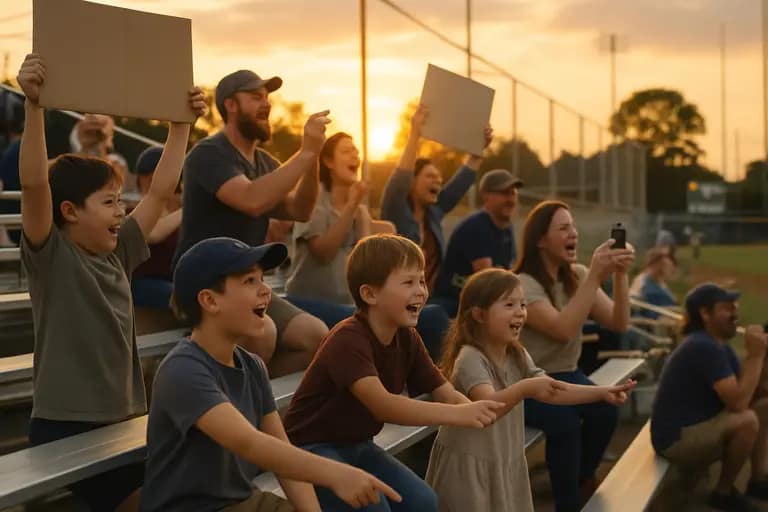
Practical Markers For Parents And Players
Parents do not need private scouting language to judge whether a program is helping players grow. They can watch whether practices are organized, whether coaches teach before correcting, whether younger players get meaningful reps and whether expectations stay steady after wins and losses. Those signs matter more than social media excitement after a hire.
- Do players receive repeatable instruction on throwing, fielding footwork, base running and strike-zone decisions?
- Are younger athletes given clear goals before summer, fall and preseason work?
- Does the baseball staff coordinate with strength and conditioning without overloading arms?
- Are classroom expectations treated as part of the player profile?
- Do junior varsity and freshman players understand what varsity readiness looks like?
Community Needs Around The Program
Lufkin High serves a large and diverse student body. The research supplied for this assignment listed about 2,100 students for the 2023–2024 school year, with 84% economically disadvantaged, 20% emergent bilingual learners and 65.5% classified as at risk. Those numbers are not baseball statistics, but they frame why coaching matters beyond lineup cards.
For some athletes, the baseball program may be a daily structure point: a place to be after school, a reason to keep grades in order, a source of adult accountability and a bridge to positive peer groups. In that setting, Lufkin Player Development should be measured by more than varsity wins. It should include retention, attendance, academic follow-through, safe training and the confidence players gain from being taught with consistency.
As of September 10, 2026, the public information provided for this article did not list specific baseball clinics, youth partnerships or camp dates tied to Kimble’s new tenure. If Lufkin ISD or the baseball program later announces youth events, families should read those details closely for age groups, costs, coach involvement, facility rules and skill focus. Until then, the supported takeaway is the leadership change itself and the development expectations attached to it.
Why Lufkin Player Development Matters After The Hire
The best measure of Lufkin Player Development after Kimble’s hiring will be whether the program turns experience into daily teaching. His record gives the Panthers credibility, but credibility has to show up in practice tempo, coach-player communication, pitcher care, defensive standards and clear pathways for underclassmen.
For East Texas youth baseball families, the coaching change is worth following because it connects three pieces that matter locally: a head coach returning to his alma mater, an athletic department already talking about younger-player growth, and a campus where sports can provide structure for many students. Lufkin does not need exaggerated recruiting claims to make this hire meaningful. It needs steady teaching, honest evaluation and a baseball culture where players know exactly how to improve.