

Record Signings at the Texas Rangers Youth Academy gave North Texas baseball and softball families a clear case study in what steady community-based development can produce. On April 20, 2026, the Academy held its annual Signing Day, where a program-record 44 baseball and softball student-athletes from the Class of 2026 committed to play at the collegiate level; MLB.com also reported that 187 Academy attendees had signed with college programs through Signing Day since the Academy opened in 2018 annual Signing Day.
Those numbers matter because they are not just a scoreboard item. For families in Dallas, Fort Worth and across North Texas, they point to a repeatable set of habits: showing up across multiple years, pairing skill work with school planning, accepting support during setbacks and staying connected to people who know the college process. The Academy’s 2026 group included baseball and softball players, so the lesson applies across dugouts and age groups.
What Record Signings Show About Development
A single signing ceremony can make college placement look sudden. In youth baseball and softball, it rarely works that way. College commitments usually sit at the end of years of practice, game reps, academic work and family planning. The Academy’s Class of 2026 Signing Day showed that a player development setting can carry value when it stays steady over time and keeps families close to the process.
Record Signings Start Before Senior Year
The clearest family takeaway is that recruiting readiness should not begin when a player becomes a senior. The lesson from the Record Signings is that families should think in stages. Younger players need consistent instruction and a positive training rhythm. High school players need honest feedback, game experience and academic awareness. Older players need help with communication, campus fit and the realities of college rosters.
That does not mean every athlete follows the same timeline. Some develop physically later. Some recover from injury. Some need more time to find a position, a role or a school level that fits. What the Academy’s Signing Day showed is that a long-term environment can keep players engaged through those different stages instead of treating recruiting as a single late push.
Consistency Beats Short Bursts
Families often feel pressure to chase every showcase, tournament or private lesson. A development-first view asks a different question: is the player building usable skill, dependable routines and confidence over months and years? The Academy’s record total suggests the value of repeated access. Players who remain connected to instruction, competition and school support can build a stronger profile than players who only appear for isolated events.
For Texas elite baseball families, that point is useful. A weekend event can give exposure, but exposure without readiness may not lead anywhere. A player still has to make routine plays, compete in the strike zone, handle failure and keep grades in order. That is why families should view signing results as the product of a full support system rather than one clinic, one coach or one strong tournament weekend.
Family Lessons From Record Signings
The Academy’s Signing Day also points to the family side of development. A college opportunity affects transportation, finances, school planning, health decisions and emotional support. Parents and guardians are part of the process, especially for players who start attending programming at a young age and stay involved through high school.
Adversity Is Part Of The Profile
One of the Academy examples from the 2026 Signing Day involved softball commit Grace Chaisson, who credited the Academy with helping her recover from repeated knee injuries. For families, that detail is as meaningful as any signing count. Injuries can slow an athlete’s progress, but they do not have to remove the athlete from the community or from the college conversation.
Baseball and softball families can take a practical lesson from that. When a player is hurt, the development plan should not stop. Athletes can keep learning the game, stay connected to teammates and coaches, work on school goals and return at a pace that fits their situation. No family should treat a setback as proof that a player’s chance is gone. The better question is what support surrounds the athlete while the body heals and confidence returns.
Parents Need A Clear Role
Parents do not need to act like scouts, and they should not make unsupported claims about their child’s ranking or projection. Their role is steadier and more useful: get the player to training, ask good questions, track academic dates, help the athlete communicate respectfully and keep the home environment grounded. A family that understands those responsibilities gives a player a better chance to grow without panic.
That same idea connects with broader Academy lessons for local families. For readers comparing community-based development models, our related look at Rangers Youth Academy lessons explains why access, resilience and education keep showing up in this discussion.
Why School Support Belongs In The Plan
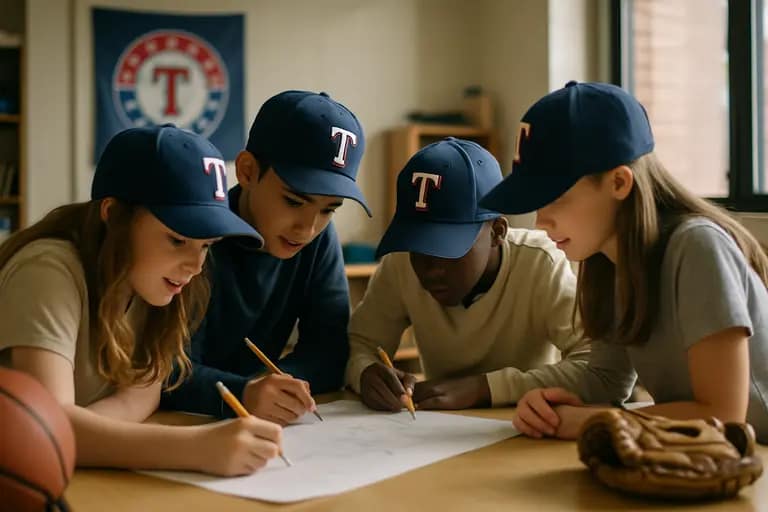
A college signing is both an athletic and academic outcome. A player may have tools, but school readiness still matters. That is why the Academy’s education and enrichment work deserves attention alongside batting cages, bullpens and game fields.
ACT Prep Connects Baseball To College Readiness
The 2026 Kumar Family Success Series – ACT College & Career Prep began on October 12, 2026, and the Academy’s registration page listed the program as free ACT prep for participants ages 14 and older ACT College and Career Prep. For families, that detail is a reminder that college placement is not built only during practice.
Testing, grades and career conversations can reduce stress later in high school. They also help players understand that college is not only a roster spot. It is a campus, a classroom schedule, a financial decision and a life adjustment. When a baseball or softball program gives families access to academic preparation, athletes gain another layer of readiness for the move beyond high school.
College Fit Is Bigger Than A Uniform
Families should celebrate college commitments, but they should also ask practical questions. Does the school offer an academic direction the student can see themselves pursuing? Is the distance from home workable? What kind of support does the athlete need during the first year? What role has the coaching staff discussed honestly with the player?
Those questions do not take away from the achievement. They protect it. A signing day photo is a milestone, but the goal is for the student-athlete to arrive prepared, stay enrolled and keep growing. The Academy’s signing record gives families a reason to talk about what happens before and after the ceremony.
What Record Signings Mean For West Dallas Families
For West Dallas and the wider North Texas baseball community, the Academy’s 2026 Signing Day showed how local access can meet college ambition. The best reading of the Record Signings is not that every player will sign. It is that a community program can create a serious environment where more players learn what college readiness requires.
That matters for families who may not have a full map of the recruiting process. A trusted local setting can reduce confusion, keep athletes around positive instruction and connect school goals with sports goals. It can also give younger players a visible example: older athletes from the same fields and neighborhoods moved on to college opportunities after years of work.
The lesson is grounded and hopeful. Families should look for programs that teach the game, support school progress, welcome parent involvement and stay present when a player struggles. The Academy’s 44 college commitments on April 20, 2026, and its reported 187 total signees through Signing Day are not promises for any one athlete. They are proof that steady structure, family support and honest development can open real college doors for Texas baseball and softball players.