
The Five Tool Texas Fall Championships, scheduled for October 10-11, 2026, in Little Elm and Melissa, gives youth baseball families a useful fall checkpoint: not a final judgment on a player, but a controlled setting to measure habits, workload, and game application. For Texas programs, the best value comes from treating the weekend as part of a development cycle instead of a stand-alone showcase.
Fall baseball can expose what a player retained after summer and what still needs training before winter. Coaches should enter the event with a short list of growth targets for each athlete: better strike-zone decisions, cleaner first-step reads, improved throwing accuracy, more aggressive base-running reads, or steadier mound tempo. Those goals keep the focus on baseball growth rather than chasing one weekend of box-score results.
Five Tool Texas Fall Championships Development Plan
Set Measurable Goals Before First Pitch
A strong tournament plan starts before uniforms are packed. Youth players need one or two measurable targets, not a long checklist that changes after every at-bat. A hitter might track quality swings on pitches in the zone. An infielder might track pre-pitch movement and clean exchanges. A pitcher might track first-pitch strikes, recovery between innings, and command to the glove side.
Research supports a broad development approach at younger ages. A 2024 longitudinal analysis tracked baseball-related traits such as pitching velocity, batting swing speed, sprint time, explosive power, and balance, and reported that the five-year period before puberty is a sensitive window for improvement across those athletic traits longitudinal youth baseball study. That matters for 8U through 14U families because fall events should not be reduced to who is physically ahead on one weekend. Players grow at different rates, and sound programs use competition to guide training rather than label players too early.
Connect Practice Work To Game Reps
At the Five Tool Texas event, coaches can connect weekday work to live competition. If a team spent September building lower-half hitting direction, the staff can chart whether hitters stay through the middle of the field under game speed. If pitchers worked on fastball command, the tournament can show whether they trust that command with runners on base. If catchers trained blocking angles, the staff can review how often they kept the ball close enough to control advancement.
The most useful postgame conversations are specific and short. “You competed well” is supportive, but it does not teach. A better player-development note sounds like this: “Your first move on ground balls was early in warmups and late in the third inning; we need conditioning and focus work.” That type of feedback respects the player while giving the next practice a clear purpose.
Workload Management And Arm Care
Five Tool Texas Workload Priorities
Pitching plans should be written before the first game and adjusted only for health and rest, not for the pressure of winning a pool game. A tournament weekend can create emotional urgency for coaches and parents, but young arms need boundaries. Programs should know who pitched the prior week, who is returning from soreness, and who has thrown bullpen sessions or lessons leading into the event.
One study found that a daily pitch-count limit was more effective than an inning limit for reducing elbow pain among young pitchers. In that comparison, a maximum of 70 pitches per day versus a seven-inning cap was associated with a lower elbow pain rate, from 40.9% to 31.9%, and reduced flexion issues fell from 19.0% to 10.6% pitch-count study. The lesson for Texas teams is direct: innings do not tell the whole workload story. A long inning with walks, deep counts, pickoff throws, and stressful pitches can load the arm much more than the scoreboard suggests.
Use The Whole Roster
For programs using Five Tool Texas competition as a growth tool, roster usage matters. A fall championship is a chance to develop secondary pitchers, give catchers planned recovery windows, and let position players handle different defensive situations. That does not mean ignoring competitive standards. It means building a team structure that protects arms while preparing more players to handle meaningful innings later.
Coaches should avoid asking one athlete to carry too many high-stress roles in the same day. Catching multiple games, pitching late, and hitting in the middle of the order can stack fatigue quickly. A player may be willing to do it, but willingness is not the same as readiness. Parents can support the process by keeping an honest record of throws, lessons, bullpen work, and any arm discomfort between tournament dates. For family-level planning, this connects well with broader fall baseball planning that includes heat, rest, and recovery habits.
Skill Development Across All Tools
Track Actions, Not Just Outcomes
The five-tool idea is useful only if coaches measure actions that can be trained. Batting average over one weekend can be misleading because youth defenders, field conditions, and scorekeeper decisions vary. Swing decisions, contact quality, sprint effort, route efficiency, throwing accuracy, and defensive readiness tell a clearer development story.
A practical staff chart does not need advanced equipment to help players. Coaches can record first-step reads, aggressive turns at first base, two-strike approach quality, and misses over the plate. If radar, timing gates, or batted-ball tracking are available, those tools can add context, but they should not replace coach observation. Younger players still need language they can act on: start earlier, land under control, see the ball longer, finish the throw, recover your feet.
Build Physical Traits Without Chasing Early Labels
Fall is also a good time to train the body behind the baseball skill. Sprint work, jumping and landing mechanics, balance training, mobility, and age-appropriate strength can support better baseball movement. The research on pre-adolescent players is useful here because it points to a development window where several athletic traits can improve together. A player who gets faster, balances better, and rotates with more control may also give himself a better chance to hit, defend, and throw with repeatable mechanics.
Programs should be careful with early labels such as “power hitter,” “pitcher only,” or “utility player” at young ages. Those labels can shrink training. A better fall model gives players repeated exposure to different skills while still respecting safety. Let a primary shortstop learn outfield reads. Let a strong hitter work on bunting and base-running decisions. Let a pitcher keep developing as an athlete instead of spending every week only on mound work.
Tournament Habits For Coaches And Parents
Keep The Weekend Development-Focused
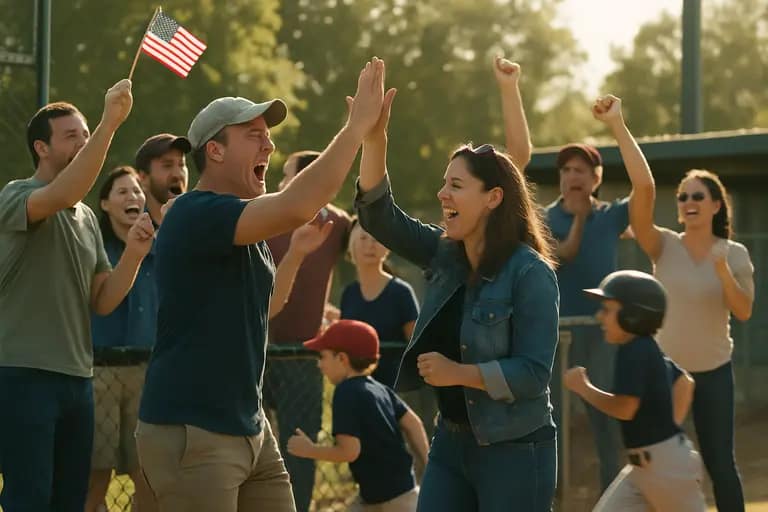
Parents and coaches shape how players interpret tournament pressure. If every error turns into a lecture, the player learns to fear failure. If every mistake is ignored, the player misses a chance to learn. The better approach is calm review: what happened, what was the read, what adjustment comes next?
- Write a simple pitching plan before the event and update it after each appearance.
- Give every player one offensive, defensive, and baserunning goal for the weekend.
- Use short postgame notes so the next practice has a clear focus.
- Protect recovery time after multiple games, especially for pitchers and catchers.
- Review effort, preparation, and decision-making before praising only results.
Good tournament habits also include sleep, nutrition, hydration, warmups, and downtime between games. Texas fall weather can still be warm, and multi-game days can drain attention before they drain talent. A player who is tired may show late swings, lower throwing accuracy, slow first steps, or poor emotional control. Those signs should prompt coaching adjustment, not blame.
Turn Postgame Notes Into Winter Work
The real value of a fall championship often appears after the event. Coaches should leave with training evidence: which hitters handled velocity, which defenders lost focus in long innings, which pitchers maintained delivery under stress, and which players need more strength or movement work. That evidence can shape November and December training blocks.
Families should ask better questions after the weekend. Instead of “Did we win?” ask “What did we learn?” Instead of “Who noticed my player?” ask “What skill needs the next six weeks?” Those questions keep development in the hands of the player, coach, and family. They also reduce the pressure that can make youth tournaments feel like final evaluations.
What Five Tool Texas Means For Player Growth
Five Tool Texas can serve Texas youth baseball best when teams use the Fall Championships as a checkpoint for skill transfer, workload discipline, and player confidence. Winning still matters because competition teaches poise, urgency, and accountability. It should not override arm safety, clear teaching, or long-term growth.
The families who get the most from October 10-11, 2026, will be the ones who prepare with purpose, track what matters, and leave with a plan. A fall tournament should show how training holds up under pressure. It should also point every player toward the next step, whether that means better swing decisions, more reliable throwing mechanics, sharper defensive reads, or a stronger body for the next stage of the Texas baseball pathway.