

The Odessa Sports Complex gives West Texas baseball families a clear facility story to track between now and early 2028. The City of Odessa announced the $140 million project, held its groundbreaking on January 29, 2026, and lists expected completion in early 2028 on the city’s official project page.
For youth baseball, the most important part is not the price tag. It is access. Odessa players have long dealt with West Texas wind, heat, travel distance, and limited large-scale tournament options close to home. A 100-acre site near 7777 North Faudree Road, past Yukon Road, with 12 outdoor diamond fields and indoor training space could change how families plan reps, league play, and tournament weekends without leaving the Permian Basin as often.
The project is still in development as of September 17, 2026, so families should avoid assuming exact league schedules, tournament calendars, or team assignments. What can be said with confidence is that the planned field count, indoor component, and regional booking model create a stronger base for local baseball development than Odessa has had in one public youth sports site.
Why The Odessa Sports Complex Matters For Baseball
Odessa Sports Complex Access For Young Players
Baseball development depends on repetition, but repetition depends on available space. Twelve diamond fields give local organizers more room to schedule practices, league games, weekend events, and age-group play without every program fighting for the same narrow windows. That does not guarantee better players on its own. It does create more chances for coaches to run consistent work.
For a 10U player, that might mean more regular defensive stations instead of rushed pregame ground balls. For a middle school catcher, it could mean more scheduled bullpen time. For a high school pitcher building command, local mound access matters because short, repeated sessions often do more good than occasional long workouts after a road trip.
The indoor training and fitness areas listed for the project are especially relevant in West Texas. Wind can make fly-ball work unpredictable. Summer heat can cut sessions short. Cold snaps and dust can affect winter throwing plans. Indoor space does not replace game competition, but it can help hitters, pitchers, and strength groups stay on schedule when outdoor work is limited.
What Coaches Can Build With More Field Time
Coaches benefit when they can separate instruction from survival scheduling. Too many youth practices become one long line at batting practice because there is not enough space or time. A larger complex can support station work: infield footwork on one field, outfield reads on another, pitching command in a bullpen area, and controlled scrimmage reps on a separate diamond.
That structure matters for player retention. Young players often stay with the sport when they feel progress. Progress is easier to see when practices include skill blocks, clear feedback, and age-appropriate goals. Families can read more about that approach through individual development in youth baseball events, especially for players who need confidence as much as competition.
How Tournament Capacity Could Shape Development
More Local Games Against Regional Teams
Odessa selected The Sports Facilities Companies to manage operations, programming, and event booking, according to a local report on the project’s tournament potential and management plan reported by First Alert 7. That matters because a complex of this size needs more than fields. It needs scheduling discipline, event operations, umpire coordination, parking flow, and clear communication with families.
If regional tournaments are booked well after opening, Odessa players could see more competition from Midland, Lubbock, the Panhandle, El Paso, San Angelo, and other parts of Texas without always becoming the traveling team. That can help local athletes measure themselves against different pitching styles, lineup depth, defensive speed, and coaching approaches.
Competition close to home also helps families manage cost. Hotel nights, fuel, meals, and missed work can add up across a spring and summer schedule. A strong tournament calendar in Odessa would not remove travel from serious baseball, but it could balance the calendar. Players could still attend select events elsewhere while gaining more meaningful reps in their own region.
Scouting Value Comes From Consistent Competition
No public information confirms showcase partners, recruiting events, or scouting schedules for the facility as of September 17, 2026. It would be wrong to claim that college coaches or professional scouts are already assigned to future events. Still, tournament density can support evaluation over time when teams face quality opponents in a well-run setting.
For older players, the value is not one loud weekend. It is the chance to show repeated performance: strike throwing, swing decisions, defensive reliability, baserunning awareness, and body language after failure. For coaches, more local high-level weekends can make it easier to track development without overloading players with long road trips.
Family Logistics And Community Use
Why Location And Shared Amenities Matter
The city lists the site near North Faudree Road on land donated by the Bell family from the Parks Bell Ranch. The broader project includes more than baseball and softball. Planned community pieces include multipurpose rectangle fields, an amphitheater, a splash park, and the Amy Bell Memorial Children’s Park of about seven acres.
Those details matter for baseball families because youth sports days are rarely simple. Siblings need space. Grandparents need reasonable access. Parents need predictable parking and places to reset between games. Multi-sport and community amenities can make long tournament days less stressful, especially during pool play weekends with gaps between games.
For local programs, shared use can also build a wider sports culture. Baseball players may train alongside soccer, football, or lacrosse athletes in the same general setting. That can help families see youth sports as a community asset rather than isolated team calendars spread across town.
Economic Activity Without Overpromising Baseball Results
Youth sports facilities often bring visitors who spend money on lodging, food, fuel, and local services during tournament weekends. The Odessa project has been discussed as a potential statewide tournament destination, but exact economic returns will depend on future event schedules, hotel capacity, travel patterns, and how often fields are booked after opening.
For baseball development, the economic piece matters because strong event demand can support better maintenance, consistent programming, and long-term facility use. Fields that are used often need care. Batting areas, turf or grass surfaces, fencing, lighting, restrooms, and traffic flow all affect the player experience. A facility can only support development if it remains clean, safe, and well scheduled after the opening excitement fades.
Training Priorities Before The 2028 Opening
What Players Can Work On Now
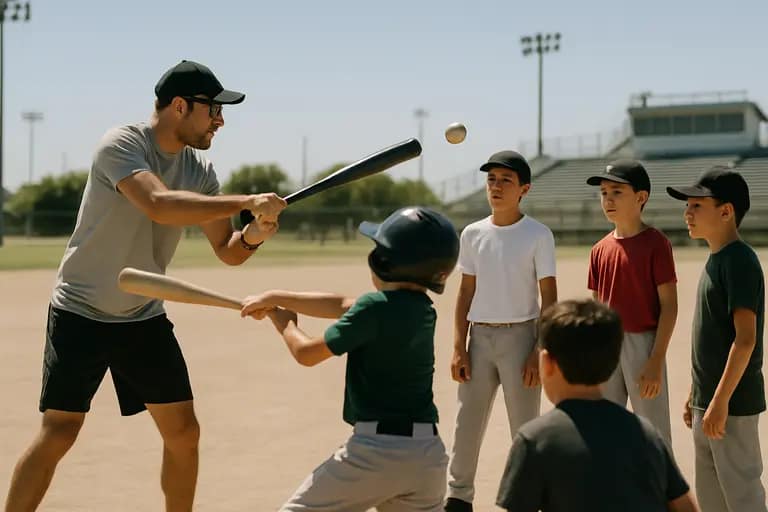
The early 2028 expected completion date gives Odessa baseball families time to prepare. Players do not need to wait for new fields to build habits. Hitters can track swing decisions, not just contact. Pitchers can build repeatable catch-play routines. Infielders can improve first-step reads and throwing accuracy. Catchers can refine receiving, blocking, and leadership between pitches.
For the Odessa Sports Complex to help local athletes, players should arrive with a development mindset. More fields will not fix poor practice habits. Indoor space will not help if players treat training like a casual stop. Coaches can use the next year-plus to set standards for attendance, warmups, arm care, recovery, and competitive practice formats.
- Families should watch for official city updates on construction progress, opening plans, and programming details.
- Coaches should plan age-level practice models that use multiple fields efficiently once space becomes available.
- Players should build personal goals now so future facility access supports measurable improvement.
How Local Programs Can Stay Grounded
Odessa does not need to copy Dallas, Houston, or Austin to build a stronger baseball base. West Texas has its own conditions: longer drives, strong community ties, demanding weather, and athletes who often play multiple sports. The best use of a new complex will reflect those realities.
That means younger divisions should not be pushed into showcase-style pressure too early. Middle school players need broad skill training. High school players need strength, recovery, baseball IQ, and exposure to quality competition. The Odessa Sports Complex can support all of that if programming respects age, workload, and family time.
What Odessa Sports Complex Means For Baseball Families
For Odessa baseball families, the project is best viewed as a long-term development platform, not a shortcut. The confirmed pieces are meaningful: a $140 million city project, a January 29, 2026 groundbreaking, an early 2028 expected completion window, a 100-acre site, 12 diamond fields, and indoor training space. Those facts point toward more access and stronger event potential.
The unknowns still matter. Specific tournaments, league partnerships, pricing, daily schedules, and baseball programming details have not been fully established in the available public information. Families should keep expectations realistic while staying engaged with official updates.
If the Odessa Sports Complex is operated with steady maintenance, smart scheduling, and development-first programming, it could give West Texas players more chances to practice well, compete locally, and grow in front of their own community. That is the real baseball value: not hype, but more quality reps closer to home.