

Texas A&M Camps give youth baseball families a fall option built around scheduled instruction, position work, live baseball settings and a clear College Station venue. As of September 1, 2026, the remaining fall camp dates had not yet taken place, so families should treat the schedule as planning information, not a recap.
For Texas players, the appeal is not just the name on the facility. A camp setting can help a player test routines, receive direct instruction, handle a long baseball day and compare his own preparation against a structured college environment. That is useful for high school players thinking about future exposure, but it also matters for younger players who need better habits before their next select season.
The official Texas A&M release said the program planned 11 fall baseball camps in 2026, with events held at Olsen Field at Blue Bell Park and the Texas A&M Baseball Player Development Center in College Station Texas A&M camp announcement. Registration for most camps opened on July 1, 2026, while the Aggie Experience registration window opened on August 1, 2026, for the 2027 through 2031 graduating classes.
Texas A&M Camps Schedule And Eligibility
The fall slate covers a wide age range, from younger players through high school seniors. That range matters because the best camp choice should match the player’s present stage, not the family’s ambition. A 10-year-old still building body control and swing patterns needs a different baseball day than a 17-year-old pitcher trying to show command, recovery habits and pitch execution in a college setting.
Texas A&M Camps By Age Group
Several camp formats are narrow by design. The Pitcher/Catcher Camp is scheduled for October 10, 2026, and is listed for ages 13 to 19. The Fall Elite two-day camp is scheduled for December 5-6, 2026, and is listed for ages 8 to 12. Premier Stars is scheduled for December 12, 2026, for ages 12 to 14. Those age bands help families avoid sending a player into a setting that is either too advanced or too basic for his present needs.
| Camp | Date | Eligibility | Cost | Capacity |
|---|---|---|---|---|
| Aggie Experience | September 26, 2026 | Graduates 2027-2031 | $125 | 75 players |
| Pitcher/Catcher Camp | October 10, 2026 | Ages 13-19 | $250 | 40 pitchers / 24 catchers |
| Aggie Legends | November 1 and December 13, 2026 | 8th grade through high school senior | $300 | 44 players |
| Hitting Under The Lights | November 20, December 4, December 11, 2026 | Ages 7-19 | $175 | 68 hitters |
| Fall Prospect Camp | November 21-22, 2026 | Ages 13-19 | $500 | 60 players |
| Fall Elite | December 5-6, 2026 | Ages 8-12 | $500 | 56 players |
| Premier Stars | December 12, 2026 | Ages 12-14 | $250 | 60 players |
Capacity should be part of the family decision. A smaller event can mean fewer total players in the building, but it does not guarantee individual evaluation or future recruiting attention. The useful question is simpler: will the player receive enough reps, feedback and competitive stress to leave with a clear training target?
Choosing The Right Date
Fall timing should be planned around the player’s workload. A catcher coming off a heavy tournament block may need recovery before a long camp day. A pitcher should consider recent innings, bullpen volume and any school or select-team expectations. A hitter attending an evening session should be ready to manage food, hydration and school-week fatigue.
Families comparing camps with other events across the state can also weigh how a single College Station day fits with tournament schedules, rest and school demands. For a broader planning lens, our breakdown of individual development in youth baseball events covers how parents can judge whether an event supports real growth instead of just adding another date to the calendar.
Instructional Focus For Pitchers Catchers And Hitters
Position-specific instruction is the main reason these events should be treated differently from a standard tournament weekend. A tournament often rewards short-term performance: get the hit, win the inning, survive the bracket. A camp can slow parts of the game down and put attention on how a player moves, prepares and responds to correction.
Pitcher And Catcher Development
The Pitcher/Catcher Camp is described with separate development points for each position group. Pitchers are scheduled to work through Texas A&M’s pitching curriculum and the ZIK Method, with emphasis on consistency and competitive toughness. Catchers are scheduled to focus on receiving, blocking, throwing and game management. Those are practical categories for families to discuss with the player before the trip.
For pitchers, the best takeaway may be a better understanding of preparation rather than a single velocity reading. Command routines, tempo, body control and the ability to repeat delivery under pressure tend to show up quickly in a camp setting. For catchers, the day can expose how well a player receives instruction, manages fatigue in the lower half and communicates during live baseball work.
Hitting Under The Lights
Hitting Under the Lights is scheduled for November 20, December 4 and December 11, 2026, for ages 7 to 19. The official camp notes describe hitting mechanics through drills, rotations and routines used by the Texas A&M program. For younger hitters, that may mean a first look at a more organized hitting routine. For older hitters, it can test whether their move in the cage holds up when instruction, pace and observation are added.
Parents should resist judging the value of a hitting camp only by how many balls a player drives during the session. More useful signs include whether the player can explain the adjustment he was given, whether he can repeat it after a short break and whether he leaves with a specific practice plan. That type of carryover is where camp instruction can help a winter training block.
Facilities Travel And Family Preparation
College Station trips require more than registration. Families should plan around parking, meals, equipment, recovery and the length of the day. Research notes indicate most camps are day camps, with campers typically responsible for lunch unless otherwise noted. Evening hitting events can overlap with normal dinner hours, so players should not arrive underfed or underhydrated.
What To Pack For A Full Baseball Day
- Bring position gear, molded or metal cleats as allowed, turf shoes if needed, batting gloves and any personal protective equipment.
- Pack water, approved snacks, recovery food and lunch plans based on the camp format.
- Carry a notebook or phone note for key coaching points after the session ends.
- Review start times, check-in instructions and medical or waiver requirements before leaving home.
- Plan the drive so the player has time to warm up mentally instead of rushing from the car to the field.
Long baseball days can run well beyond a normal practice rhythm. Multi-day camp formats are listed with demanding schedules, including drill work, position instruction and live competition. That setup can be valuable, but only if the player is prepared to compete while tired and still listen well.
Facility Context In College Station
The facility piece is also part of the story. The Texas A&M System announced approval of a baseball player complex with an approximately $28.3 million budget and about 34,492 gross square feet tied to upgraded baseball resources Texas A&M System project approval. Families should view that as context for the program’s investment in player support, not as a promise that every camp participant will access every part of the facility in the same way.
The setting can still raise the standard for a young player. Walking into a college baseball environment often clarifies the gap between weekend talent and daily habits. Players see how much organization is built around practice, instruction and recovery. That message can be useful even for athletes who are years away from making recruiting decisions.
How To Measure Camp Value After The Trip
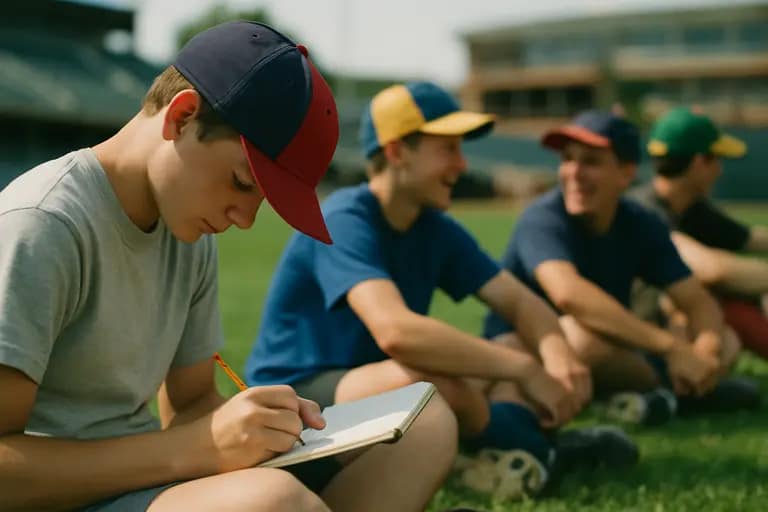
Families should decide before camp what success looks like. For a 9-year-old, success may be listening, competing hard and learning one drill he can repeat. For a high school pitcher, success may be understanding a mechanical checkpoint, showing strike-throwing ability and handling feedback without getting defensive. For a catcher, success may be cleaner receiving work or better communication in game settings.
Post-Camp Player Review
A short review on the drive home can help turn the event into development. Ask the player what instruction made sense, what felt difficult and what he wants to train next. Avoid turning the conversation into a verdict on his future. One camp day is a data point, not a full evaluation of a player’s ceiling.
Parents can also compare the camp cost with the clarity gained. If the player leaves with a better routine, sharper goals and a more honest view of the work ahead, the event may fit the family’s development plan. If he leaves only with fatigue and no usable feedback, the next step may be local skill work before another high-profile event.
What Texas A&M Camps Mean For Player Pathways
Texas A&M Camps fit best as one part of a wider development plan. They can provide college-setting instruction, position-specific work and a demanding baseball day in College Station. They should not replace weekly training, school baseball accountability, strength habits or the steady reps players need between events.
For Texas families, the practical value is in matching the right camp to the right player at the right time. A younger athlete may need confidence and better movement patterns. An older player may need exposure to pace, feedback and live competition. The families that benefit most will treat the trip as a checkpoint, then use the next several weeks to train the lessons that show up on the field.