

The Texas Fall Championships give youth baseball families a useful October checkpoint, especially for players learning how to compete, recover, and stay steady through a two-day tournament setting. The Five Tool Texas Texas20 Fall Championships are scheduled for October 10-11, 2026, in Little Elm and Melissa, with age divisions from 9U through 14U and Open and D3 levels listed on the Five Tool event page.
For parents, the goal is not to create a perfect weekend. The goal is to reduce avoidable stress so the player can focus on warm-up quality, between-game recovery, body language, and competing pitch to pitch. A fall tournament can expose useful development signals: how a player handles an early arrival, a long break, a tough at-bat, a defensive mistake, or a late elimination game. Those habits matter well beyond one bracket.
Texas Fall Championships Schedule Basics
What Families Can Confirm Before Arrival
The event listing identifies team registration costs from $495 to $695, depending on division and level, and includes 9U, 10U, 11U, 12U, 13U, and 14U groupings. Parents should treat those details as team-level planning information, not as a complete family budget. Gate costs, meals, gas, hotel needs, and extra gear can still change what the weekend feels like financially.
For families treating the Texas Fall Championships as part of a longer fall development plan, the first parent task is simple: get the official schedule from the coach or tournament platform once it is released, then plan backward. Ask when players are expected to arrive for warm-ups, what uniform combinations are needed, and whether the team wants players to remain together between games. A 9U family may need more snack and rest planning, while a 14U player may need more ownership over arm care, hydration, and pregame preparation.
How To Read A Two-Day Weekend
Pool play and bracket play can create uneven rhythms. One team may play early and wait several hours. Another may finish late and return early the next morning. Parents help most by keeping the mood steady rather than reacting to every bracket shift. Keep chargers ready, check messages from the coach, and avoid making firm postgame plans until the day’s assignment is clear.
If your family is newer to Texas tournament weekends, a simple prep system helps. This Texas tournament checklist can help parents think through schedule review, pitching rest, gear, meals, weather, and sideline habits before leaving home.
Venue Logistics At Cottonwood Park
Fields, Parking, And Parent Setup
Cottonwood Sports Complex is part of Cottonwood Park at 900 Lobo Lane, Little Elm, TX 75068. The Town of Little Elm lists four turf baseball fields, portable mounds, adjustable bases, grass outfields, scoreboards on each field, field lighting, temporary fences, playgrounds, restrooms, and no parking fee in its Cottonwood Park details.
Free parking helps, but it does not remove the need for early arrival. Youth tournament lots can tighten quickly when one wave of games ends while another warms up. Build in time for parking, walking gear to the field, finding the correct dugout side, and giving the player space to join teammates without feeling rushed.
Because the complex has turf fields and grass outfields, footwear choices matter for both players and parents. Players should follow team and facility expectations. Parents should wear shoes that can handle long walks, damp grass, and standing near fields for long stretches. A wagon can help with chairs, a small cooler, and weather gear, but families should be ready to move if field assignments change.
Comfort Without Distracting The Player
Good parent setup is quiet support. Bring seating that you can carry, shade that fits tournament rules, sunscreen, sunglasses, and layers. October in North Texas can start cool and feel warm by midafternoon. Research notes for Little Elm point to average October highs near 77 degrees and lows near 60, with rain possible during the month. That does not predict the exact weekend, but it is enough reason to pack for both sun and light rain.
Parents should avoid turning the sideline into a second dugout. Cheer effort, smart plays, and teammate support. Leave swing fixes, pitch selection, positioning, and playing-time concerns to the coaches during the game. If a player looks over after a mistake, a calm nod often helps more than instruction.
Texas Fall Championships Packing Priorities
A tournament bag should support performance first. Families often pack plenty for spectators and forget the small items that keep players comfortable between games. Think in terms of hydration, recovery, weather, and readiness. The Texas Fall Championships are close enough on the calendar that families can check gear now rather than the night before.
- Hydration: Send more water than the player thinks he needs, plus an electrolyte option if the family already uses one safely.
- Food: Pack familiar snacks that sit well between games, such as fruit, sandwiches, pretzels, or simple protein options.
- Weather gear: Bring a light jacket, rain layer, towel, sunscreen, and a hat for parents and players.
- Baseball gear: Confirm both uniforms, belt, socks, glove, bat, helmet, cleats or turf shoes, catcher’s gear if needed, and any arm-care bands approved by the coach.
- Parent comfort: Chairs, a small cooler if allowed, portable phone charger, hand sanitizer, first-aid basics, and bug spray can reduce mid-day stress.
Families should also label personal items. Youth dugouts get crowded, and similar bats, gloves, and water bottles are common. A name and phone number inside a bag can save a long search after a late game.
Development Habits During The Weekend
Keep The Player’s Routine Simple
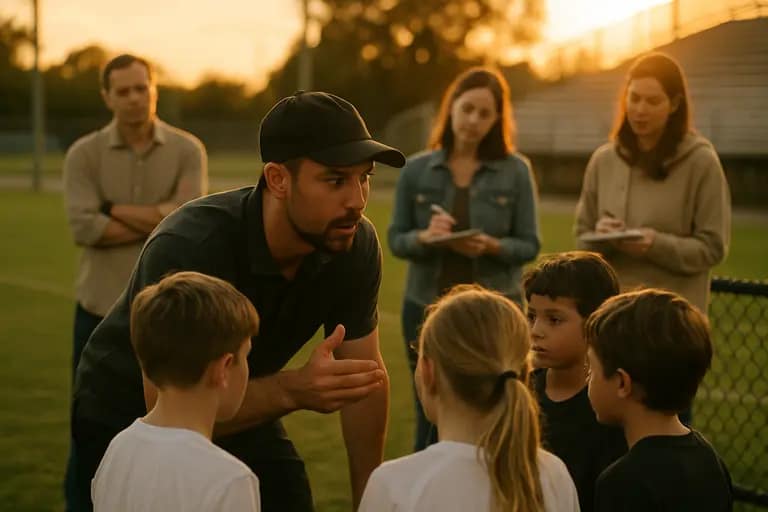
A fall tournament is not the time to rebuild a swing or change a pitcher’s delivery based on one bad inning. Parents can support development by helping the player stay with the team routine. That means arriving on time, warming up with intent, eating at the right time, and getting off the phone when it is time to prepare.
For pitchers, parents should know the team’s arm-care expectations and then let the coach manage usage. If a child reports pain, that should be communicated clearly and promptly. If a player is simply frustrated about role or innings, the best response is usually patience, listening, and a later conversation with the coach at an appropriate time.
Use The Car Ride Wisely
The car ride can either help a player reset or make the day heavier. After a game, start with open-ended questions: “How did you feel?” or “What is one thing you handled well?” Avoid leading with batting average, errors, or umpire complaints. Players already know when they struggled. What they need from parents is perspective.
If a player had a hard game, keep the feedback short. Rest, food, and a normal tone often do more than a long talk. If the player had a great game, praise the preparation and choices, not just the result. That helps him connect success to controllable habits.
Why Texas Fall Championships Weekends Shape Habits
The Texas Fall Championships are not only about wins, medals, or bracket placement. For many Texas players, weekends like this show whether their practice habits carry into a setting with travel, waiting, weather, nerves, and stronger opponents. Parents see a lot during those moments, but they do not have to solve everything on site.
Keep the weekend grounded. Confirm the dates and venue, pack for a long day, respect the coaches, and give the player room to compete. If families do those things well, the tournament becomes more than a schedule commitment. It becomes a useful development weekend where players learn how to prepare, respond, and grow in a real baseball environment.