

Texas Youth Baseball tournaments can be good development settings when families treat them as more than a weekend schedule. The best parent support starts before the first pitch: checking the age level, cost, travel load, rest needs, and whether the event fits the player’s current stage. A tournament can help a young athlete compete, learn routines, and build confidence, but only if the family plan protects the player’s body and mindset.
As of September 29, 2026, Texas families still had fall tournament options on the calendar. TrueTourney listed the West Texas Select League – Fall 2026 as running from August 31 through November 1, 2026, in Amarillo for 9U through 18U teams, with an approximate team entry fee of $1,628. It also listed the Turkey Bash in Levelland for November 21–22, 2026, for 7U through 13U teams Texas tournament listings. Those two examples show why parents should look past the event name and study the full commitment.
Texas Youth Baseball Starts With The Family Plan
A strong family plan does not need to be complicated. It should answer four questions: Can the player handle the schedule? Can the family handle the travel? Does the team understand pitching and recovery needs? Does the event match the child’s age, interest, and development stage?
Texas Youth Baseball Questions Before Registration
Before a team commits, parents should ask the coach or organizer about game guarantees, expected start times, bracket format, field locations, gate fees if any, and weather or cancellation rules. A two-day event for 7U players is very different from a long fall league for older players. The younger the player, the more weight families should give to sleep, meals, downtime, and the child’s own interest in playing that weekend.
For many Texas Youth Baseball weekends, the hardest part is not one game. It is the full load: early arrival, warmups, multiple games, long gaps, late travel home, and school the next morning. A player who looks sharp in game one may need help staying fed, hydrated, and calm by game three. Parents can support that without coaching every pitch from the fence.
Build A Real Budget Before The Weekend
The listed team fee is only one piece of the cost. Families may also face fuel, hotel rooms, meals, snacks, replacement gear, parking, and time away from work or school activities. A team entry fee may be split across families, paid by sponsors, or handled through club dues, so parents should ask how those costs are shared before saying yes.
Access matters in youth sports. National Survey of Children’s Health data for 2023–2024 reported that about 37% of children in families at or below the poverty threshold participated in organized sports, compared with about 74% of children in families at 400% or more of that threshold youth sports participation data. That gap should remind teams to communicate costs early, consider carpools, share hotel blocks when possible, and avoid making every event a high-cost trip.
Support The Player, Not Just The Schedule
Parents often feel pressure to do more: more lessons, more tournaments, more exposure, more gear. Young players usually need something steadier. They need adults who help them prepare, compete hard, recover, and move on from mistakes. That support is especially useful in tournament settings, where one error or strikeout can feel larger than it is.
Keep The Message Simple After Games
The car ride can either settle a player or add stress. A useful parent script is short: “I liked how you competed,” “What did you learn?” and “What do you need before the next game?” That gives the player space to think without feeling cross-examined. Save swing fixes, pitching mechanics, and playing-time concerns for the coach at an appropriate time.
Families should avoid turning every tournament into a referendum on the player’s future. A 10U weekend does not define a baseball path. A rough inning does not erase progress. A strong weekend does not mean the player is ready for every higher-level event. Development is built through steady practice habits, age-appropriate competition, coachable behavior, and enough rest to keep improving.
Plan Recovery Like Part Of The Lineup
Texas fall baseball can still bring heat, long drives, and uneven meal timing. Pack water, electrolyte options if the family uses them, simple snacks, a change of socks, sunscreen, and light postgame food. Players should warm up properly, cool down after heavy throwing, and speak up if they feel pain, dizziness, or unusual fatigue. Parents should not diagnose injuries from the bleachers; they should pause participation and seek qualified medical help if symptoms raise concern.
If your family wants a packing and planning aid before a busy event, this Texas tournament checklist pairs well with a team schedule review. The goal is not to pack the biggest wagon at the park. The goal is to reduce avoidable stress so the player can focus on competing.
How Parents Can Work With Coaches
Good parent-coach communication starts before frustration builds. Ask about pitching rules, rest expectations, arrival times, uniform plans, and how lineups will be handled. Not every answer will be exactly what a parent wants, but clarity helps families plan and reduces sideline tension.
Parents should also separate development questions from emotional game reactions. If a player sat more than expected, ask for a brief conversation later, not during a dugout change or right after a loss. A productive question sounds like: “What should he work on to earn more innings?” That is more useful than challenging a single lineup choice in front of other families.
- Confirm schedule details and field locations before leaving home.
- Ask how pitchers will be managed across multiple games.
- Pack food and fluids based on gaps between games, not just first-pitch time.
- Give the player one calm postgame question instead of a full critique.
- Review the next school day before committing to late travel.
For older players, tournaments may also affect recruiting conversations, showcase choices, and offseason training. Still, families should be cautious about assuming every event brings evaluation value. If a tournament is mainly about team reps and fall development, treat it that way. If the event has a recruiting purpose, ask the coach what role the player is expected to have and what measurable goals make sense.
Choosing Events That Fit The Player
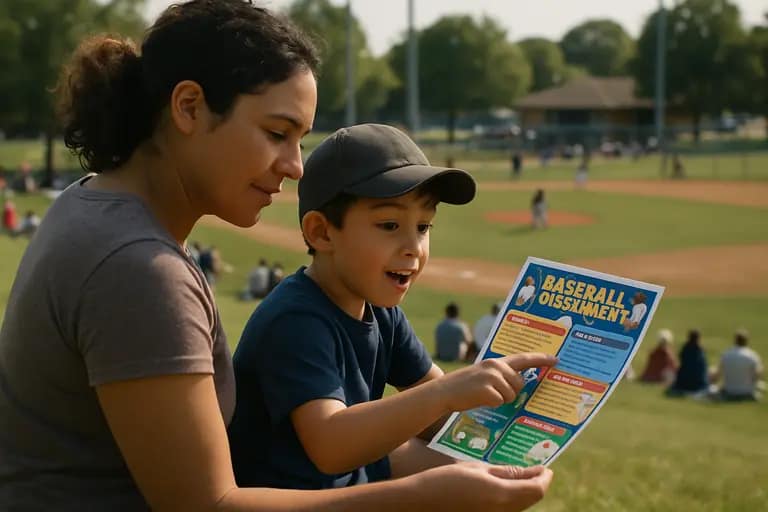
The best tournament is not always the biggest one or the farthest one. For a newer player, a local event with manageable innings may offer more growth than a crowded weekend with long waits and limited playing time. For an experienced older player, a longer fall league may help build rhythm if the team protects arms and balances school demands.
Match Age Level To Attention And Stamina
A 7U or 8U player may enjoy the uniform, dugout, and snacks more than bracket pressure. That is normal. Parents at those ages should watch for attention span, confidence, and enjoyment. A 13U or 14U player may be ready for more structured goals: controlling the running game, improving at-bat plans, handling defensive communication, or learning how to recover between games.
The West Texas Select League example, with a published window from August 31 to November 1, 2026, shows how long-form competition can stretch across school weeks and family calendars. The Turkey Bash example on November 21–22, 2026, shows a tighter weekend format. Neither structure is automatically better. The right choice depends on the player, the team plan, travel distance, and family capacity.
What Texas Youth Baseball Families Can Control
Families cannot control bracket draws, umpire judgment, weather delays, or whether a young player gets a big hit with runners on base. They can control preparation, tone, food, rest, communication, and perspective. Those choices shape the tournament experience more than many parents realize.
A healthy Texas Youth Baseball plan gives the child room to compete without carrying the whole family’s expectations into the batter’s box. Ask good questions before registering, keep the weekend organized, support the coach-player relationship, and measure success by effort, learning, and readiness for the next practice. That approach serves both the player’s development and the family’s peace of mind.