

Fall Championships Prep now has to be discussed in past tense. The Five Tool Texas Texas20 Fall Championships were held on October 10-11, 2026, in Little Elm and Melissa, Texas, so families reading after October 24, 2026 should treat this as a practical recap for the next similar tournament weekend, not as a call to attend a finished event.
The key parent lesson is simple: a good tournament weekend starts well before the first warmup throw. Families who knew the schedule, checked paperwork, packed for long days, and kept player recovery in mind gave their athletes a better chance to compete with clear heads. That does not guarantee wins. It does lower avoidable stress around parking, meals, uniforms, water, and parent communication.
Fall Championships Prep After October 10-11
Fall Championships Prep Starts With The Schedule
The event page listed October 10-11, 2026, as the tournament dates in Little Elm and Melissa, with divisions including 9U AA, 10U AA, 11U AA, 13U AA, 14U Major, and 14U AA; listed entry costs ranged from $495.00 to $695.00 depending on division and classification official event page. For parents, those details matter because a 9U family and a 14U Major family may face very different game pace, recovery needs, and expectations for player independence.
Good Fall Championships Prep should start with one shared family calendar. Put report times, estimated drive time, team meeting windows, and postgame meal plans in one place. If a coach sends updates through a team app or text group, one parent should be responsible for checking it often, while another handles food, siblings, or gear. Splitting duties helps stop small changes from turning into sideline tension.
Why Division Details Matter
Age and classification are not just labels on a bracket. Younger players often need more help with hydration reminders, bathroom breaks, and between-game food. Older players should be taking more ownership of bats, gloves, cleats, warmup bands, and uniform pieces. Parents can still support them, but a 14U player benefits from learning how to prepare without being rescued every few minutes.
Families should also be realistic about the rhythm of a two-day event. Tournament baseball can create long gaps, quick turnarounds, and emotional swings. A player may go from sitting in the shade to needing to be loose quickly. That is where a calm parent plan helps: know where the gear is, keep snacks simple, and give the coach space to manage the dugout.
Documents, Eligibility, And Team Communication
Membership And Age Rules
Five Tool Youth Baseball guidelines state that teams must be current paid members to take part in sanctioned tournaments, with membership running August 1 through July 31, and that a player’s age as of April 30 of the current season determines age eligibility for 14U and younger divisions Five Tool rules. Parents do not need to manage every team-level item, but they should know what the coach or team director expects from each family.
Before a tournament like this one, the safest move is to ask one direct question: “Is our player fully cleared on the roster?” That question covers player cards, roster forms, medical releases, and eligibility documents. It also gives the coach a chance to fix a missing item before game day. Waiting until check-in or first pitch creates pressure for the player, the parent, and the team administrator.
Parent-Coach Communication Before First Pitch
Families should agree on communication lanes before the weekend. Coaches should not have to answer five versions of the same question from five different parents while setting lineups or managing pitchers. A team parent, group message, or clear pre-event email can handle most logistics. Playing time concerns, lineup questions, and role discussions should not happen during a tournament game.
The same applies to sideline behavior. Parents can cheer effort, hustle, communication, and smart baseball. They should avoid coaching swings, pitch selection, pickoff moves, or defensive positioning from the stands. Mixed instruction makes the game harder for young players, especially in loud tournament settings where they are already processing speed, pressure, and umpire calls.
For a related event-specific parent plan, families can review this Texas Fall Championships parent plan and compare it with their own team’s habits.
Gear, Recovery, And Parent Habits
Packing For North Texas October
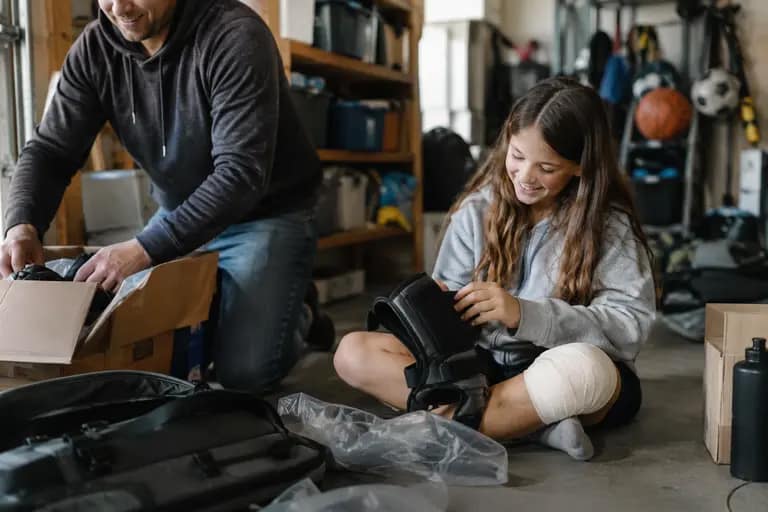
North Texas October tournament days can bring warm sun, cooler mornings, and possible rain. That means packing should cover comfort and function, not just baseball equipment. Players need game-ready cleats, backup socks, belts, hats, jerseys, and any position-specific gear. Pitchers should make sure their gloves are ready, and catchers need parents to double-check the full gear bag before leaving home.
- Pack water, simple snacks, sunscreen, hats, layers, rain gear, chairs, and any shade item allowed by the venue or team rules.
- Keep a small first-aid kit, ice packs, towel, extra uniform pieces, and recovery food in a clearly marked bag.
- Separate player gear from family comfort items so the athlete can find baseball equipment without digging through chairs or blankets.
- Charge phones the night before, but avoid letting the tournament become a screen weekend during player downtime.
Fall Championships Prep is not about bringing the whole garage. It is about reducing the chance that a missing belt, empty water bottle, or dead phone becomes the family story of the weekend. The best packing system is one the player can learn and repeat.
Recovery Between Games
Youth players often say they are fine because they want to stay in the lineup. Parents should watch for signs that the day is getting heavy: low energy, missed hydration, rushed meals, frustration after at-bats, or soreness that the player downplays. A parent cannot make lineup choices, but they can help a player eat, drink, breathe, and reset.
Between games, simple beats fancy. Get the player out of the sun when possible. Offer water and normal food they already tolerate. Let them sit quietly if they need it. Avoid long lectures about mechanics right after a hard loss or an error. If there is a teaching point, save it for a calm moment or let the coach handle it.
Families should also be thoughtful with pitchers. Tournament weekends can place pressure on arms because teams are trying to manage innings, brackets, and available players. Parents can support the coach by being honest about soreness and by encouraging proper warmup and cooldown habits. No single weekend is worth ignoring a player’s body.
What Fall Championships Prep Means For Texas Families
For Texas baseball families, Fall Championships Prep is really about building repeatable habits. The October 10-11 event has passed, but the planning lessons carry into future Five Tool weekends, school ball, and other regional tournaments. Players learn from how adults handle stress. If parents are organized, steady, and respectful, young athletes are more likely to compete with the same tone.
The best post-event family review should be short. Ask the player what felt good, what felt rushed, what they want to handle on their own next time, and what support they still need. That keeps development tied to ownership. A tournament weekend should not be judged only by a bracket finish. It should also show whether the player is learning how to prepare, recover, compete, and respond.
Fall Championships Prep should leave a family with a cleaner system for the next baseball weekend: confirmed eligibility, clear communication, smart packing, better food and water habits, and less sideline noise. Those details may not show up in a box score, but they help young players stay ready for the next pitch.