

USSSA youth travel baseball in October gives Texas teams a useful fall checkpoint before winter training begins. As of October 22, 2026, the October tournament window has not fully closed, and Texas still has listed USSSA events dated for October 24-25, 2026, including Halloween Howl and the Houston Super NIT, according to Texas October tournament listings.
For youth baseball programs, the value is not only the bracket. October games can show whether a player is carrying practice skills into competition, whether a pitcher is holding shape under pressure, and whether a team has the roster depth to handle multiple games across two days. That matters in Texas, where fall baseball often competes with school demands, weather changes, football schedules, and family travel limits.
Why USSSA youth travel baseball Matters In October
USSSA youth travel baseball Development Checkpoints
October tournaments give coaches a cleaner view of development than a single cage session or bullpen. A hitter may look strong in practice, but tournament at-bats ask a different question: can he make swing decisions, handle velocity changes, and keep his plan after a strikeout? A defender may field routine ground balls in practice, but tournament play tests first-step reads, communication, and game tempo.
The Texas October schedule is also compact enough to help programs evaluate without stretching the year too far. TrueTourney lists 13 Texas USSSA youth travel baseball tournaments for October 2026, with specific events on October 24-25, 2026. That gives families choices, but it also asks programs to be honest about why they are playing. A team that needs live reps before winter strength work has a different reason than a team trying to chase every available weekend.
What Coaches Can Measure Without Hype
Good fall evaluation stays grounded. Coaches can track strike throwing, defensive communication, baserunning decisions, catcher receiving, and how hitters manage counts. Those are not scouting claims or rankings. They are teachable behaviors that show up across innings.
For younger players, October is often about learning tournament rhythm: arrive prepared, warm up with intent, reset between games, and stay engaged even when roles change. For older youth players, the same weekend can expose more specific needs, such as secondary pitch command, two-strike approach, outfield route efficiency, or strength gaps that should be addressed in the offseason.
How October Tournaments Fit Player Pathways
Fall Games And Winter Planning
The best youth programs use October games as a bridge into the next training block. A coach can leave a tournament with clear teaching points: one player needs more work on throwing accuracy from the left side of the infield, another needs better tempo from the stretch, and another needs to improve contact quality against offspeed pitches. Those notes should shape November and December work.
This is where tournament participation becomes more than a schedule line. USSSA youth travel baseball can support a player pathway when coaches connect game evidence to practice plans. The tournament itself is not the development plan. It is the test that helps staff see what the plan should address next.
Programs that want a deeper planning lens can pair this October schedule with Texas USSSA tournament prep, especially on roster timing, safety gear, bat rules, and family budgeting before committing to more events.
Qualifiers, Bids, And Competitive Standards
Travel baseball events can also connect to larger tournament pathways. A travel baseball resource from Nassau Baseball Club explains that USSSA World Series Qualifiers may award bids to teams that win certain sanctioned events, and in some cases runner-up finishes can also matter, depending on the event structure travel baseball parent resource.
That pathway can be valuable, but Texas programs should keep the bid conversation in its proper place. A bid is not proof that every player is developing at the right rate. It does not replace arm care, skill instruction, academic balance, or a healthy team role. Coaches should explain the competitive target while still making individual development the daily standard.
What Families Should Weigh Before Playing
Schedule Fit And Player Health
October participation should be judged against the full player calendar. A young athlete who has played heavy spring and summer innings may need a lighter fall role. A player returning from fatigue may be better served by controlled practice than another full weekend. A player who missed summer competition may need October games to rebuild confidence and timing.
Parents should ask direct questions before another tournament weekend. What is the goal for this event? How many innings might pitchers throw? How will catchers be protected? What happens if weather delays extend the day? Those questions do not weaken a program. They show that families and coaches are aligned around development rather than simply chasing games.
- Define one or two player goals before the event, such as better first-pitch strikes or stronger two-strike contact.
- Track workload across the full month, not only one weekend.
- Plan recovery time after October 24-25, 2026 events before adding more baseball activity.
- Review the weekend with the player in simple, teachable language.
Family Cost, Travel, And Team Communication
Travel tournaments require time and money, even when an event is within Texas. Families may need to account for entry fees, fuel, meals, hotel stays, missed work time, and sibling schedules. A strong program communicates early so parents can make clear decisions. That communication should include report times, pitching expectations, uniform plans, weather updates, and refund or schedule policies when available from the organizer.
This is one reason USSSA youth travel baseball should be selected with purpose. More tournaments do not automatically mean better development. The stronger model is a balanced plan: compete, recover, train, and compete again only when the next event supports the player’s growth.
Building Better Texas Teams Through October Play
Role Clarity Across The Roster
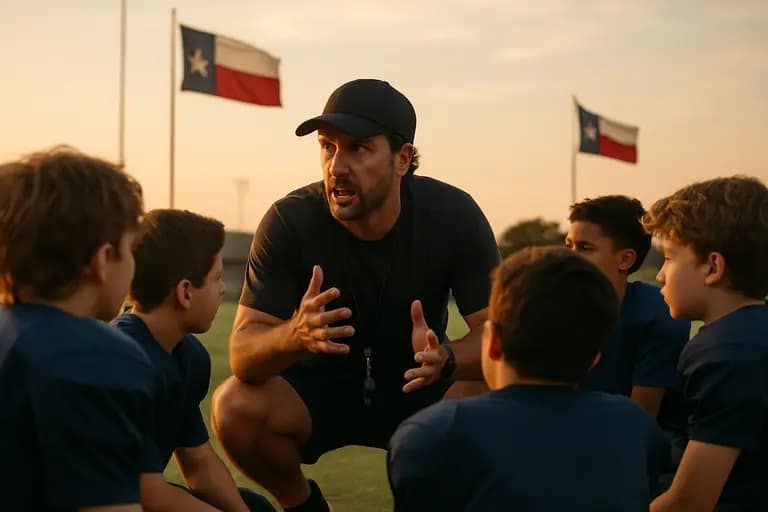
October games can help coaches define roles without locking young players into narrow labels. A player may catch one game, play third base the next, and pitch in relief if the workload plan allows it. That flexibility is useful, especially before rosters settle for later tournament blocks.
For Texas teams, the October 2026 USSSA schedule also gives coaches a chance to study roster depth. Can the second catcher manage a full game? Can a bench player enter late and make the routine play? Can the bullpen throw strikes when the starter exits early? Those answers matter because tournament baseball often rewards teams that can survive schedule pressure without asking one or two players to carry too much.
Team Standards That Carry Past October
Programs should leave October with standards that players can understand. Hustle between innings, respect for umpires, dugout focus, warmup quality, and coachability all count. These habits do not require a ranking or public praise. They require steady reinforcement from adults.
USSSA youth travel baseball can be a strong setting for that work because the format places players in real competitive moments. They learn to sit after a mistake, re-enter with focus, support teammates, and compete against unfamiliar opponents. Those lessons help build players who are prepared for school baseball, future tournament play, and higher training demands.
What October USSSA Tournaments Mean For Texas Players
A Practical Test Before The Offseason
For Texas youth baseball families, October 2026 USSSA events should be treated as a practical test. The schedule includes Texas events dated October 24-25, 2026, so the immediate question is not whether every team should play. The better question is whether the event matches the player’s needs, the team’s workload plan, and the family’s resources.
When used well, USSSA youth travel baseball gives coaches evidence. It shows which skills hold up in games, which players are ready for larger roles, and which training priorities should drive the winter. The tournament weekend has value when it leads to better instruction, clearer communication, and a healthier path for the player. That is the standard Texas programs should protect in October and beyond.