

DFW TEBA Exposure can be useful for families, but only when parents treat league play as part of a longer development plan. As of October 20, 2026, the Fall 2026 TEBA schedule had already been published for North Texas families, and TEBA identifies itself with DFW league play through the Texas Elite Baseball Association official TEBA site. That does not make every game a recruiting event. It does give players a steady setting to compete, collect film, receive coach feedback, and learn how to carry themselves across a fall schedule.
Parents can help most by keeping the goal clear. Exposure is not only about being seen. It is about giving coaches a reliable picture of how a player prepares, competes, responds to mistakes, and improves. A loud weekend can help, but a steady fall with good habits often tells a better story.
DFW TEBA Exposure Starts With Fit And Role
Before families chase more events, they should understand the role their player has inside the current TEBA schedule. A player batting ninth, learning a new position, or building arm strength may need different support than a player already carrying a heavy workload. The parent job is not to force a label on the athlete. The parent job is to help the athlete and coach agree on what growth should look like by the end of the fall.
DFW TEBA Exposure Goals Should Be Player-Led
A healthy plan starts with the player speaking for himself. Parents can set up calendars, handle transportation, and help with video, but the athlete should learn to ask coaches direct questions: What skill should I clean up first? What role am I earning? What type of program might fit my current level? RecruitTruth advises families to start early, set realistic goals, and assess the athlete’s current skills rather than only the hoped-for future level parent recruiting guidance.
For DFW TEBA Exposure, that means the fall schedule should not become a weekly stress test. A 14-year-old does not need to sound like a professional prospect. He does need to learn how to introduce himself, thank a coach, own a mistake, and explain what he is working on. Those habits are noticed by high school coaches, travel coaches, and eventually college programs.
Match The Goal To The Age And Grade
Middle school and early high school players should focus on skill foundation, baseball IQ, strength habits, and academic routine. Older high school players can be more direct about position fit, measurable progress, video, and college list building. The family should avoid comparing timelines with another player in the dugout. Two athletes can share a roster and still have very different development needs.
A practical parent move is to write one short fall goal in each area: skill, strength, academics, and communication. Keep it simple. For example, a catcher might work on receiving below the zone, completing two strength sessions each week, maintaining grades during travel weeks, and sending one clear update to a coach after a strong game film clip is ready.
Build The Exposure Plan Around The TEBA Schedule
The Fall 2026 TEBA schedule gives families structure, but it should not lead to overload. Parents should review game dates, school demands, recovery needs, and any outside showcase or camp before adding more baseball. If your family needs a schedule-first planning reference, the site’s TEBA Fall 2026 schedule guide can help frame logistics without losing the development focus.
Use Film To Show The Whole Player
Short clips matter, but full-game footage has value because it shows context. A coach can see defensive readiness, communication, body language after a strikeout, baserunning decisions, and how a pitcher handles traffic. Parents do not need a professional video setup. A stable view from behind home plate or near the dugout line, clear player identification, and organized file names can make the footage easier to use.
Film should support the athlete, not become a family argument. If every car ride turns into a video review, the player may start connecting exposure with criticism. Pick one or two clips to discuss with the coach, then let the coach lead the development points.
Keep A Simple Player Profile Ready
A player profile does not need fancy graphics. It should be accurate, current, and easy to read. Include name, graduation year, positions, school, team or association, coach contact, academic information, and verified baseball measurables only if they are recent and honest. Parents should avoid inflated numbers. A coach who sees a claimed velocity or time that does not match the player on the field may lose trust quickly.
- Save full-game video and short clips in clearly labeled folders by date, opponent, and position.
- Update the player profile after meaningful changes, such as a new GPA, position, team, or verified metric.
- Ask the athlete to draft outreach messages first, then have a parent proofread for clarity and tone.
- Track workload, especially innings, catching volume, throwing days, and recovery after tournament-style weekends.
Coach Feedback Matters More Than Parent Promotion
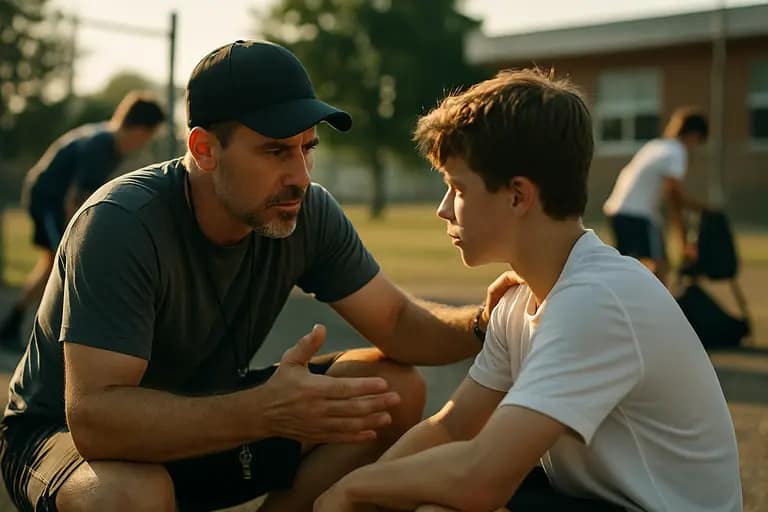
Parents often want to help by talking more, emailing more, and promoting more. That can backfire if it pushes the player out of the center. Coaches usually need to see independence, coachability, and honest self-awareness. A parent can support those traits by asking the team coach for a realistic read and then respecting the answer.
Ask Better Questions After Games
Instead of asking whether a player is “getting exposure,” ask questions that lead to useful feedback. What is the next skill that affects playing time? Is the player’s defensive position still the best fit? Does the current swing or delivery hold up against better competition? Are there academic or maturity habits that need work before wider recruiting outreach?
These questions keep the focus on development. They also reduce the temptation to judge the entire fall by one lineup card. TEBA league play can show progress across weeks, especially for players learning to compete after failure. A parent who stays calm during a slump gives the athlete room to keep working.
Protect Health While Chasing Opportunity
No exposure plan helps if the player is worn down. Fall baseball can stack school, practices, games, lessons, strength work, and travel. Parents should watch for fatigue, soreness, declining grades, and mood changes. Pitchers need special care because extra innings, side work, and showcases can add up fast. Catchers and two-way players also carry hidden volume through throws, squats, swings, and recovery demands.
Families should speak with coaches about workload before adding a camp or showcase after league play. The right event at the wrong time may not help. A rested player with clean movement and clear energy usually presents better than a tired player trying to impress through discomfort.
Why DFW TEBA Exposure Works Best With Patient Support
DFW TEBA Exposure works best when parents see the fall as evidence gathering, not a final verdict. The schedule can provide game reps, film, feedback, and a chance to measure habits under pressure. It cannot replace skill development, academic responsibility, coach trust, or the player’s own voice.
A strong parent plan is steady and realistic: know the schedule, record useful film, keep the player profile clean, ask coaches for honest feedback, protect rest, and let the athlete lead communication as much as possible. DFW TEBA Exposure should help a player become easier to evaluate because the information is clear, current, and grounded in real games. That approach gives families a better chance to make smart decisions without turning every inning into a recruiting emergency.